Fitment Guide
Leveling Kit vs. Lift Kit: What’s the Difference?
Updated September 25, 2026


Most pickups leave the factory with a slight rake: the rear sits higher than the front so the truck stays level when you load the bed or tow. A leveling kit and a lift kit both raise your truck, but they solve different problems and cost very different amounts. Here is how to decide.
What a leveling kit does
A leveling kit raises only the front of the truck, usually by 1.5 to 3 inches, so it sits level with the rear. Most kits are spacers that go on top of the front struts or torsion bar keys that adjust the front ride height.
The result is a cleaner look and a bit more room in the front wheel wells for slightly larger tires. Installation is relatively simple, often a few hours in a shop, and kits are among the most affordable suspension upgrades.
What a lift kit does
A lift kit raises the whole truck, front and rear. Body lifts use spacers between the frame and the body and are typically 2 to 3 inches. Suspension lifts replace or relocate suspension components and range from about 2 to 6 inches or more.
Suspension lifts add real ground clearance under the axles and frame and make room for much bigger tires. They also cost more, take longer to install, and often need extra parts such as longer shocks, brake lines or driveshaft changes on taller lifts.
Side-by-side comparison
| Leveling kit | Lift kit (suspension) | |
|---|---|---|
| Raises | Front only | Front and rear |
| Typical height | 1.5–3 in | 2–6 in or more |
| Relative cost | Low | Medium to high |
| Install effort | Low to moderate | Moderate to high |
| Tire size gain | Small | Large |
| Ride quality change | Minimal | Can be noticeable |
Which one is right for you?
- Choose a leveling kit if you mainly want the level look, a little extra tire room, and to keep your truck close to stock for towing and daily driving.
- Choose a lift kit if you go off-road, want significantly larger tires, or need more ground clearance under the frame.
- If you tow or haul heavy loads, remember that leveling removes the rake that keeps the truck level under load. Consider airbags or a load-leveling setup if the rear sags when towing.
Before you buy
- Confirm the kit is made for your exact year, model, drivetrain (2WD/4WD) and cab/bed configuration.
- Plan on a wheel alignment after installation.
- Check how the change affects your warranty, headlight aim and any driver-assist sensors.
- Lifting changes handling and the center of gravity. Have safety-related work done by a qualified shop if you’re not experienced.
Shop parts for your truck
Select your vehicle on each page to see parts matched to your truck.
Matching products
Show all → ReadyliftReadylift 2014-2018 Chevrolet GMC 1500 Tahoe Suburban Yukon XL Cadillac Escalade 2.25'' Front Leveling Kit Upper Control Arms Aluminum Stamped Steel Arms 66-3086$529.95AutoPartsToys
 ZoneoffroadZoneoffroad 2019-2024 Dodge Ram 3500 4WD Diesel 3 Inch Block Kit Without Overload 8 Bolt FOX 2.0 Adventure Series 4.5" Lift Kit With Radius Arm ZOND84F$1,879.47AutoPartsToys
 SuperliftSUPERLIFT 1988-1991 Chevrolet Suburban Blazer Gmc Suburban Jimmy Spr Sleeve Kit Gm Sld Axle 73-91 9/16 Shkle Blts 315-88$9.99AutoPartsToys
 AutoPartsToysMaxTrac Suspension 2007-2022 Cadillac Escalade Chevrolet Silverado GMC Sierra 1500 Tahoe Suburban 2007-2020 Yukon 2007-2014 Avalanche 2-4WD 2" Front Strut Spacers 831330$109.81AutoPartsToys
 ReadyliftReadylift 2023-2024 Ford F250 F350 Super Duty 4WD 4" Coil Spring Lift Kit With Falcon Shocks And Radius Arms 49-23421$2,939.95AutoPartsToys
 SuperliftSUPERLIFT Shock Boots Red 86030$9.99AutoPartsToys
 Maxpeedingrods US2 Lift shock Leveling Kit compatible for Chevy/GMC 2500/3500HD 2011-2019 torsion keys$275.00Maxpeedingrods US
 ZoneoffroadZoneOffRoad 2017-2019 Ford F250 F350 Super Duty 6" 4WD Diesel Block Kit Without Factory Overload Fox Shock 2.0 Adventure Series Lift Kit ZONF51F$1,800.40AutoPartsToys
Current offers for this categoryPartner Deals


We may earn a commission when you shop through these links.
This guide is general information. Fitment varies by model year, trim, drivetrain and existing modifications. Always confirm fitment with the parts manufacturer or retailer before buying, and have safety-related parts installed by a qualified professional.
More guides
 Will Bigger Tires Fit My Truck? How to Check Before You Buy
 Wheel Offset and Backspacing Explained
 Bolt Patterns for Popular Pickup Trucks
 How Long Do Truck Brakes Last? Pads, Rotors and Replacement Cost
 F-150 Leveling Kit Guide: 2, 2.5 or 3 Inch?
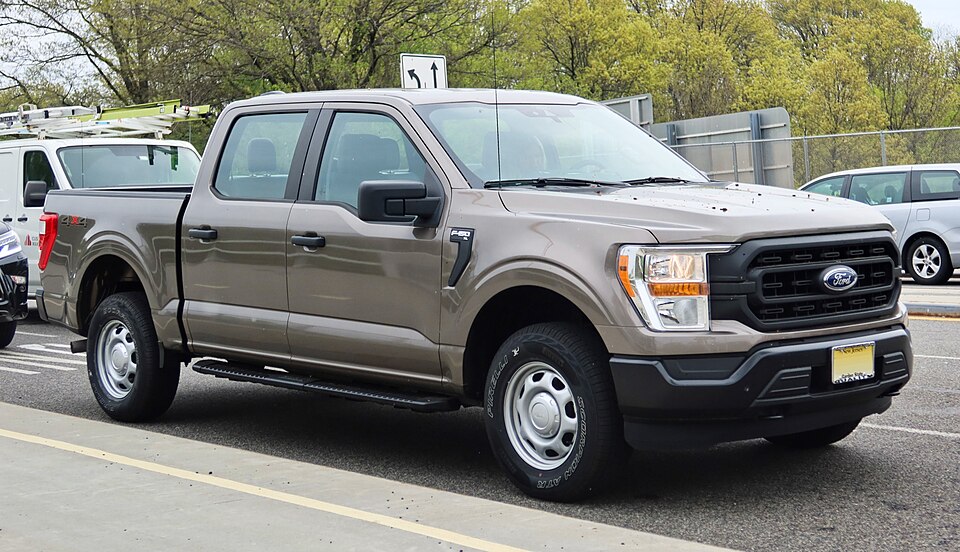 Ford F-150 Bolt Pattern, Lug Nuts & Wheel Specs (2015-2024)Best Tire Sizes for the Ford F-150: Stock, Leveled & LiftedFord F-150 Leveling Kit vs Lift Kit: Which One Do You Need?