


Power Steering Pump with Reservoir compatible for Toyota Tacoma 3.4L 3378CC V6 1995-2004
1 Offer


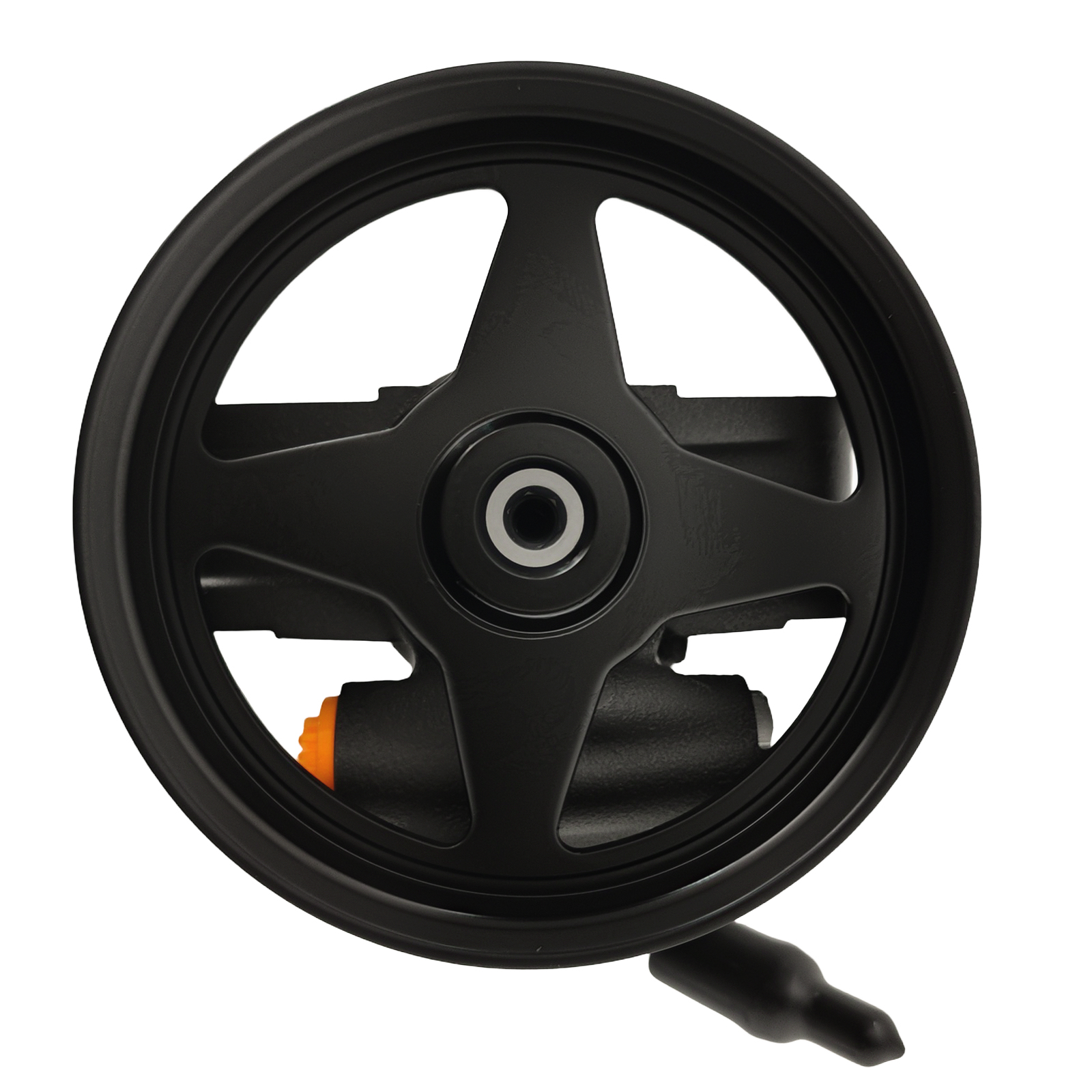
1xPower Steering Pump compatible for Buick Rainier compatible for Chevrolet Trailblazer compatible for GMC Isuzu 20-65990
1 Offer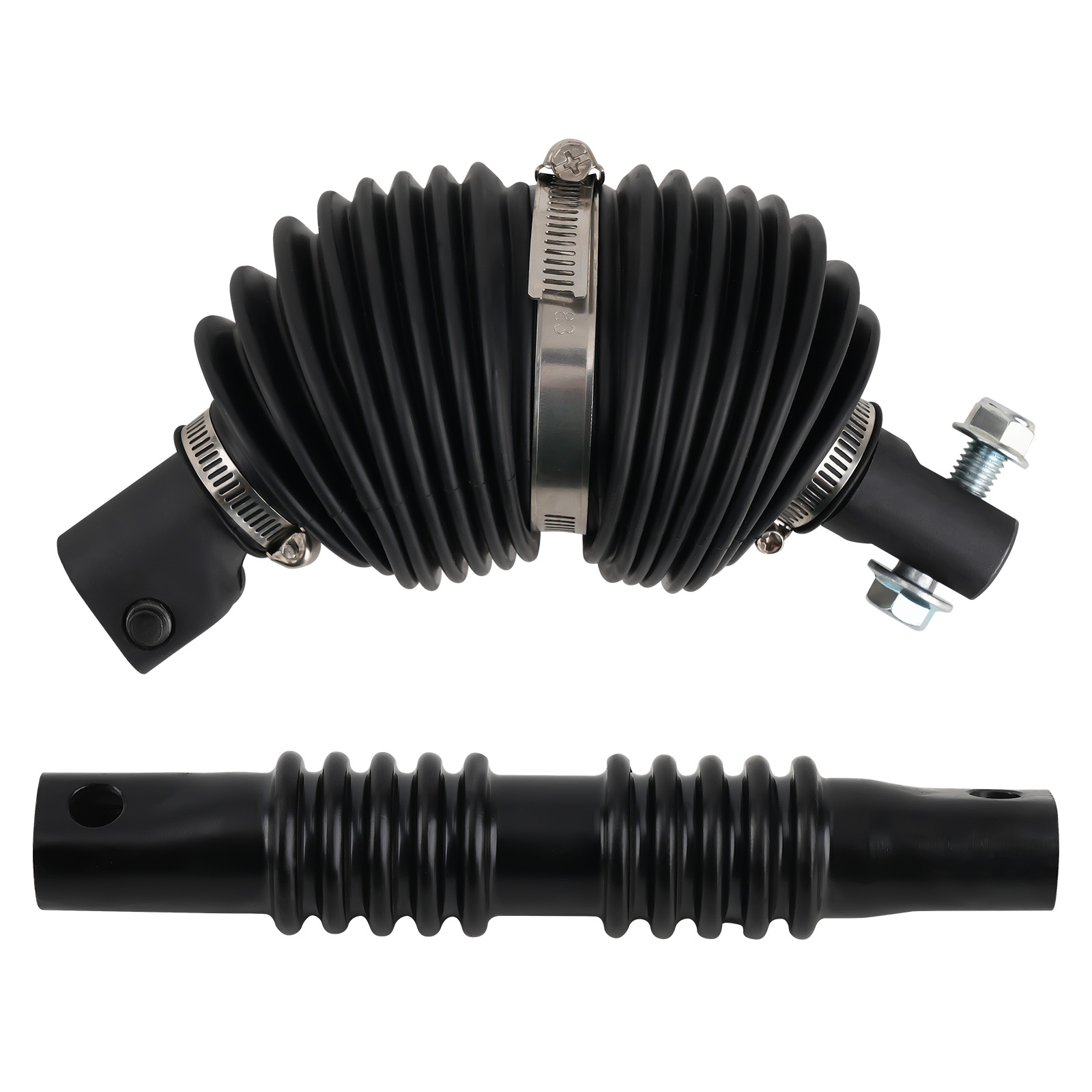

Steel Steering Shaft compatible for GMC F-Body G-Body compatible for Chevrolet S10 compatible for Buick Pontiac 1982-1993
1 Offer
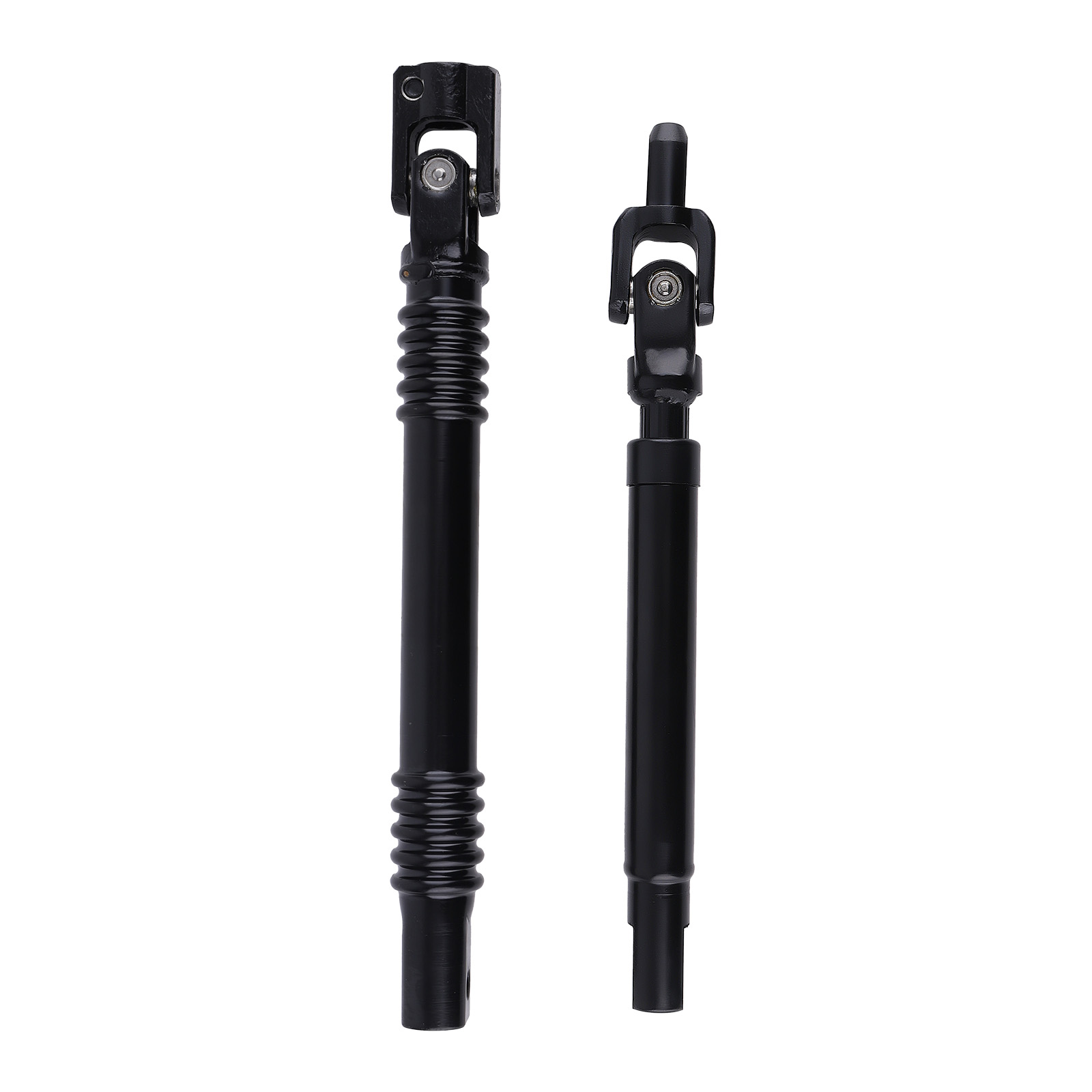
Intermediate Steering Shaft compatible for Chevy Silverado GMC Cadillac 1500 07-14 425-184
1 Offer

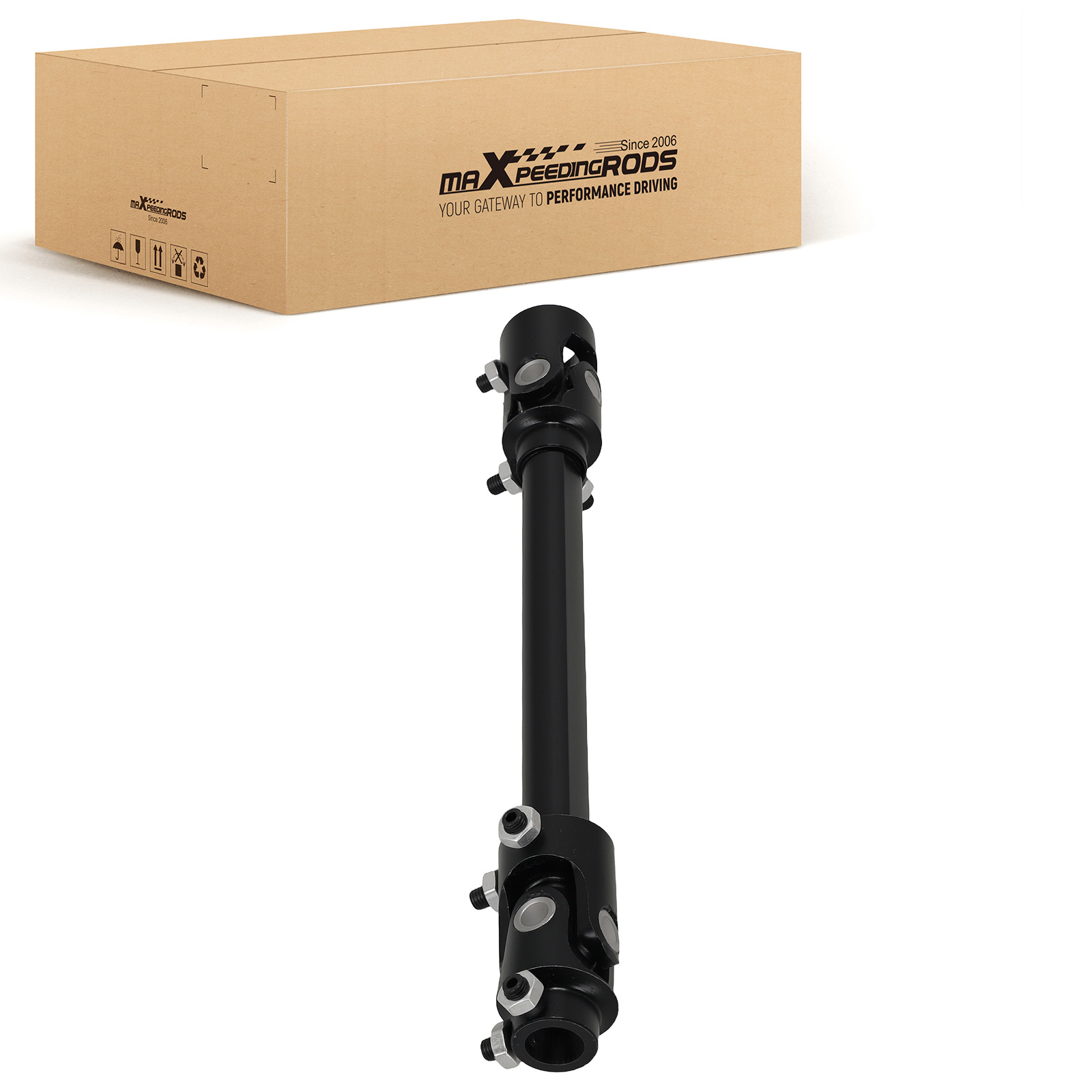

NEW COLUMN Steering Shaft compatible for Ford F-150 F-250 Expedition F75Z3B676CA 97-04
1 Offer
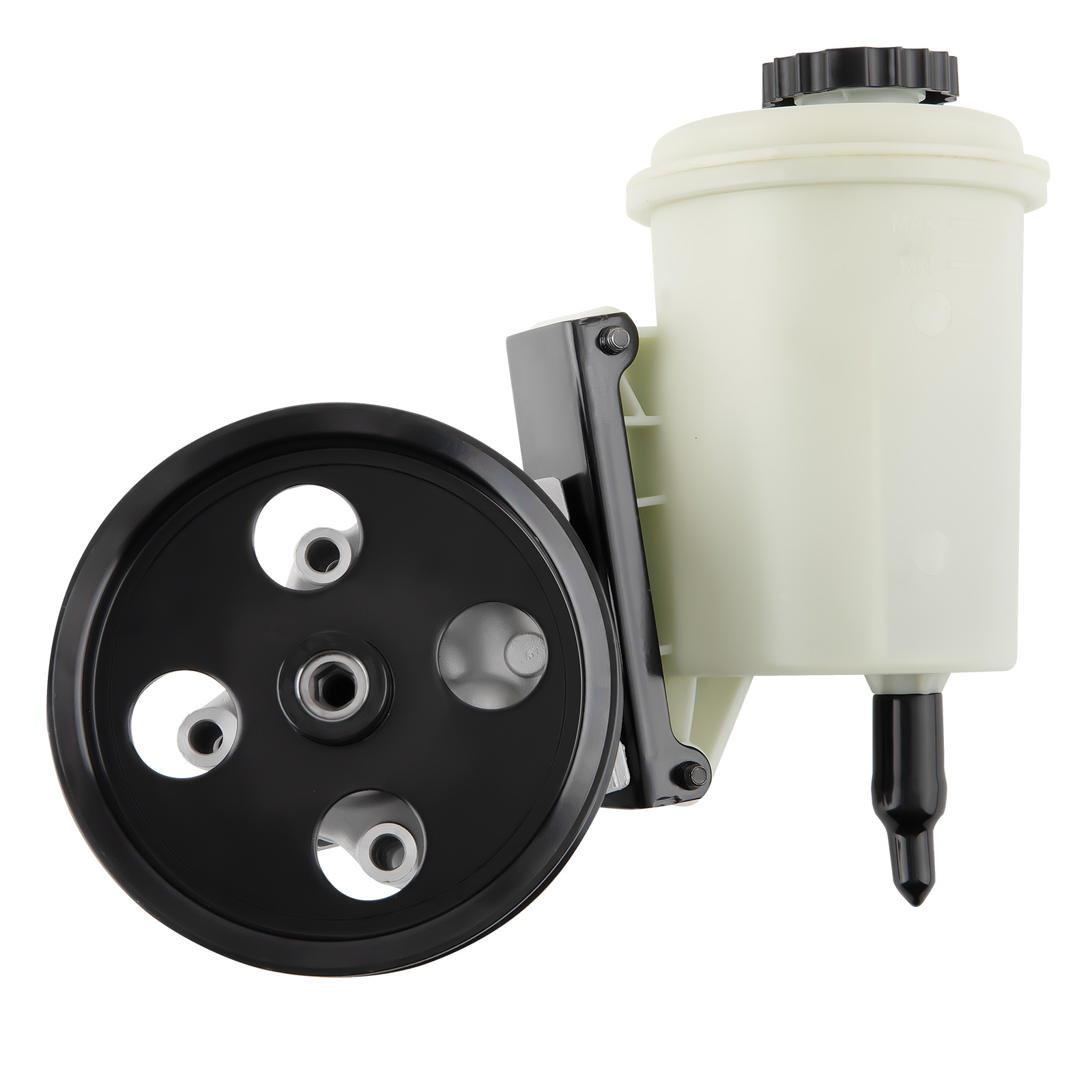
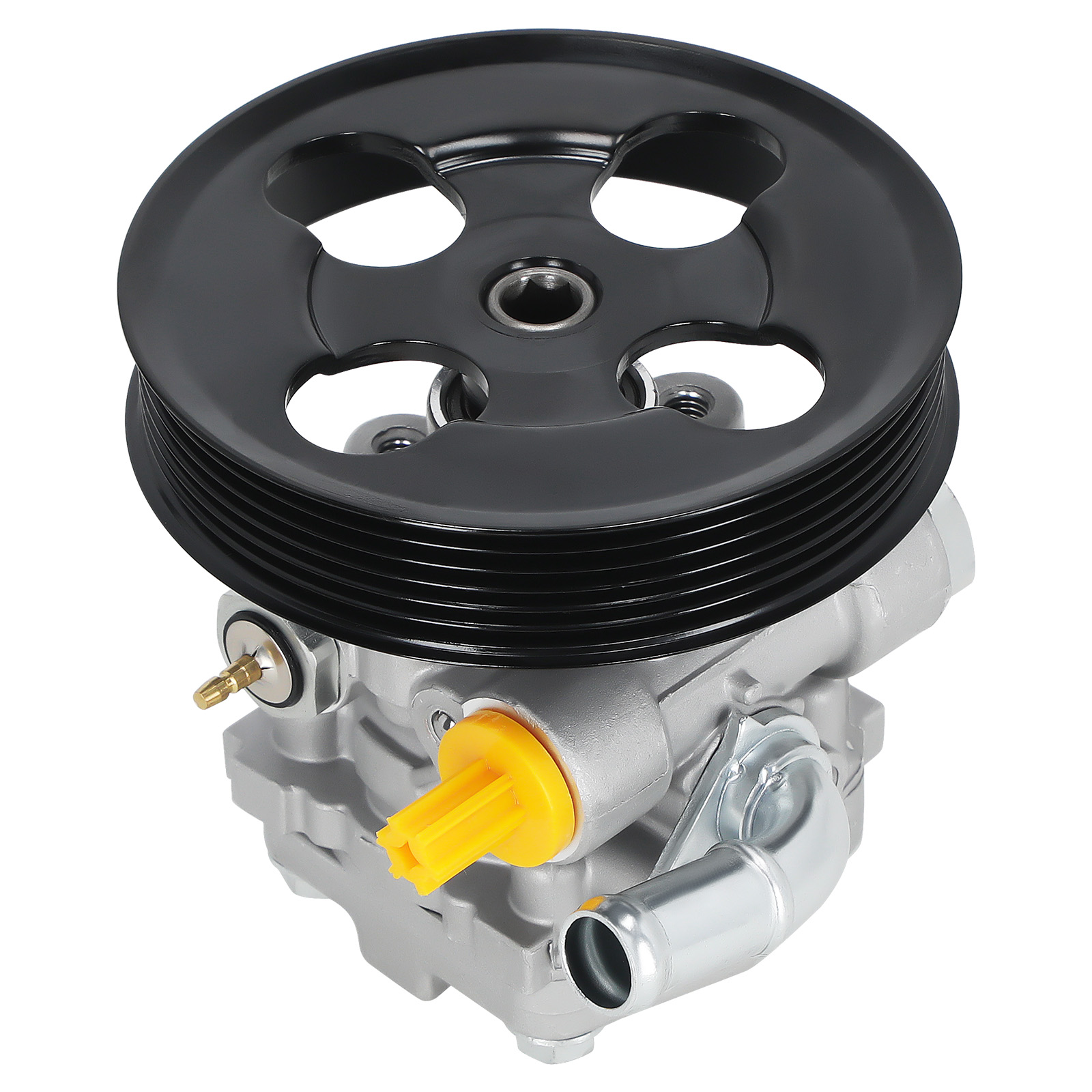
New Power Steering Pump compatible for Ford Crown Vic compatible for Mercury Marquis 07-11 8W7Z-3A674-C
1 Offer

Adjustable compatible for Panhard Track Bar w/Poly Bushings For 05-14 compatible for Ford Mustang 2-Door Gray
1 Offer
Power Steering Pump w/ PulleyReservoir compatible for Dodge Ram 1500 V6 3.7L Petrol
1 Offer
New Power Steering Pump w/ pulley compatible for Suzuki Grand Vitara Base 2.4L L4 Gas 2013
1 Offer
Lower Upper Intermediate Steering Shaft compatible for GMC Chevrolet Suburban 1500 2005 4WD
1 OfferSteering Parts: Fixing Wander, Play and Death Wobble
Written by the PickupChain team · Last reviewed October 17, 2026
A truck that wanders on the highway, has play in the steering wheel or shakes violently after a bump usually has worn steering joints. The most common culprits are tie rod ends, the drag link and, on solid-axle trucks like the Jeep Wrangler, Ram 2500/3500 or Ford Super Duty, the track bar bushings.
Bigger tires and lift kits put more load on every steering joint. Heavy-duty tie rods and adjustable track bars keep the geometry correct after a lift. A steering stabilizer dampens vibration, but it hides a problem rather than solving it if a joint is already loose.
Check the parts with a helper: one person rocks the steering wheel left and right with the engine running, the other watches each joint. Any joint that moves before the wheel turns needs attention.
Frequently Asked Questions
+What causes death wobble?
Death wobble is a violent front-end shake on solid-axle trucks, usually triggered by a bump at speed. Loose or worn track bar bushings are the most common cause, followed by worn tie rod ends, ball joints and incorrect caster after a lift. A steering stabilizer alone will not cure it.
+Do I need an alignment after replacing tie rods?
Yes. Tie rods set the toe angle. Even if you count the threads when swapping them, plan a professional alignment to avoid uneven tire wear.
+Should I upgrade steering parts after a lift?
On lifts above roughly 3 inches and with tires of 35 inches or more, heavy-duty tie rods and an adjustable track bar are strongly recommended. They restore geometry and handle the extra leverage of bigger tires.