SALE
Showing 1779 offers

Tuff Stuff
Tuff Stuff 65" Ranger Overland Roof Top Tent Xtreme Weather Cover Silver TS-RTT-EWC-RAN-65
1 Offer$299.00Offers →

Tuff Stuff
Tuff Stuff 65" Ranger Overland Roof Top Tent Xtreme Weather Cover Silver TS-RTT-EWC-RAN-65
1 Offer$299.00Offers →

YITAMOTOR
YITAMOTOR 43" Clamp-On Pallet Forks, 2000 LBS Bucket Fork Attachment for Skid Steer, Tractor & Loader Buckets
1 Offer$299.99Offers →
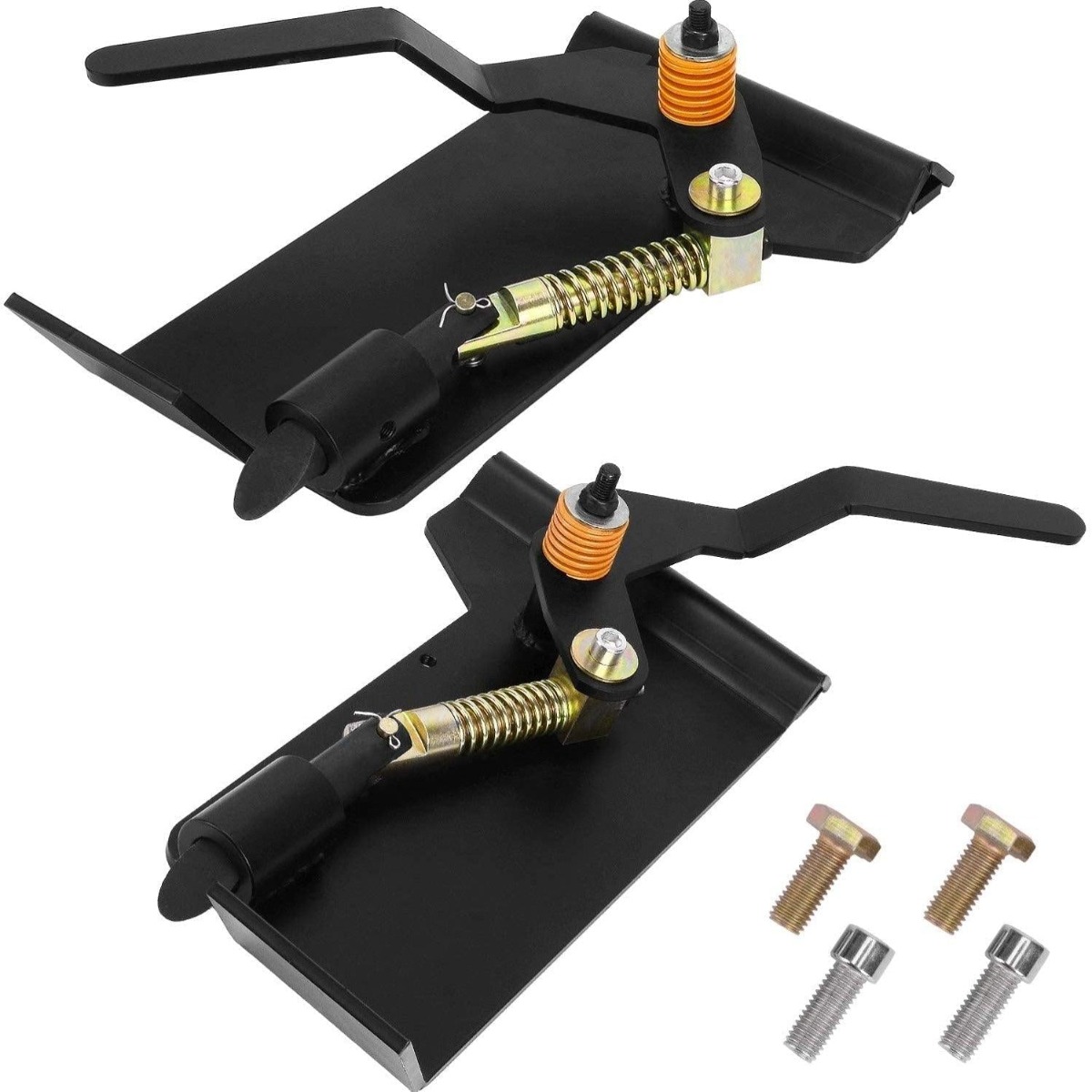
YITAMOTOR
YITAMOTOR Skid Steer Quick Tach Conversion Adapter, Universal Bobtach Latch Box Weld-On Mount with Greaseable Pin & Bushing
1 Offer$299.99Offers →
Overlanding: Build for Self-Sufficiency, Not Weight
Written by the PickupChain team · Last reviewed October 17, 2026
Overlanding means traveling self-sufficiently for days at a time. The core needs are sleeping, water, power, recovery and navigation. Start with what you will actually use on your next trip and add gear as your trips get longer.
Weight is the hidden cost. Rooftop tents, racks, drawers, water and fuel can easily add 500 pounds or more. Check your truck's payload rating on the sticker in the driver's door jamb and leave margin for passengers and fuel.
An onboard air compressor lets you air down for traction on sand and rocks and air back up for the highway. It is one of the most useful and most underrated overland upgrades.
Frequently Asked Questions
+What is the difference between off-roading and overlanding?
Off-roading focuses on driving difficult terrain, often on day trips. Overlanding focuses on the journey: long, multi-day trips through remote areas where you camp and carry everything you need.
+How much should I air down my tires off-road?
Many drivers go down to 15 to 20 psi on trails and lower on sand. The right pressure depends on tire size, load and terrain. Always air back up before driving at highway speed.
+Rooftop tent or ground tent?
Rooftop tents set up in minutes and keep you off wet or uneven ground, but they add weight up high and require a rack rated for the static load. Ground tents are lighter and cheaper but take longer to set up.