
1x Rear Wheel Hub Bearing assy compatible for Honda CR-V 2012 - 2016 AWD BR930909 512501
1 Offer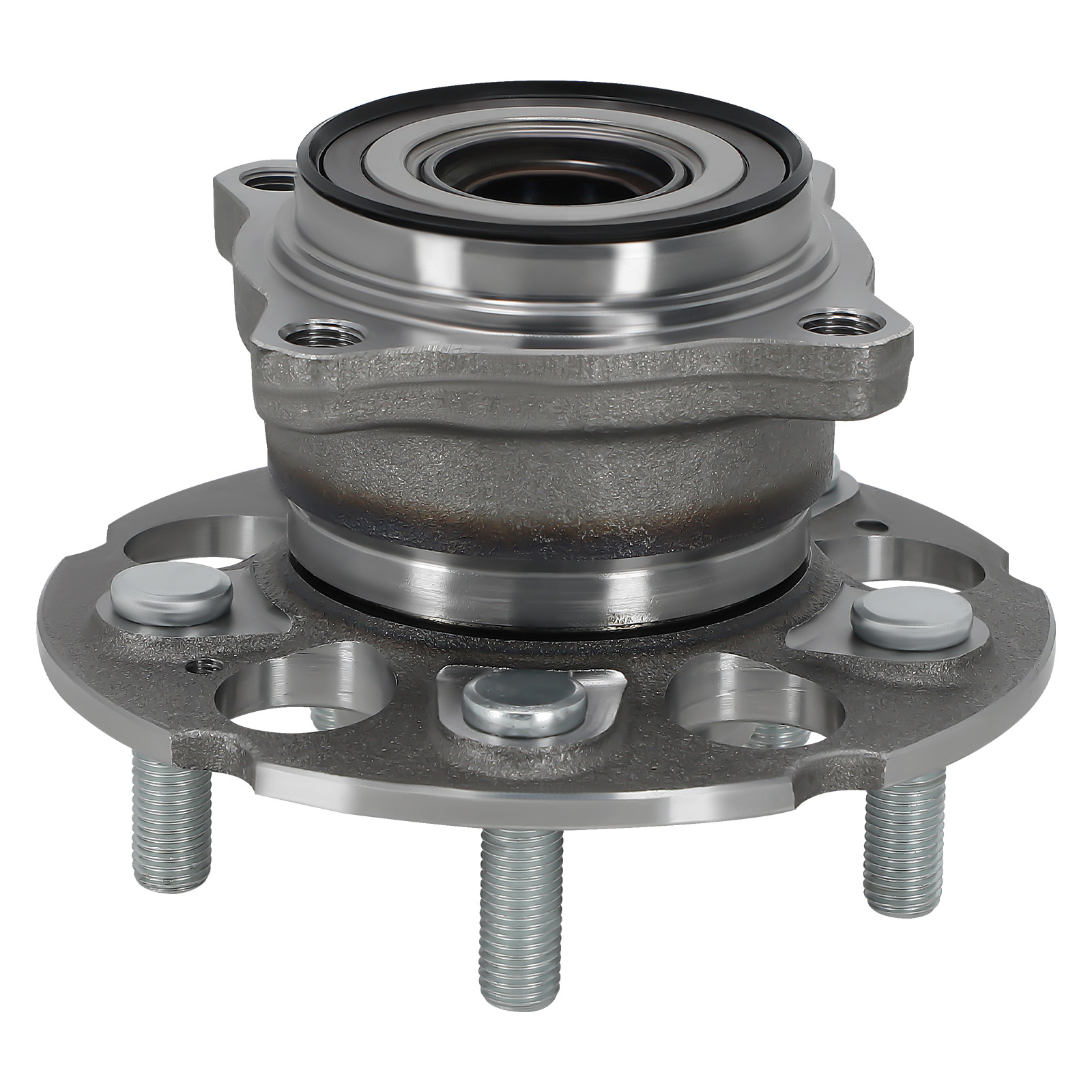
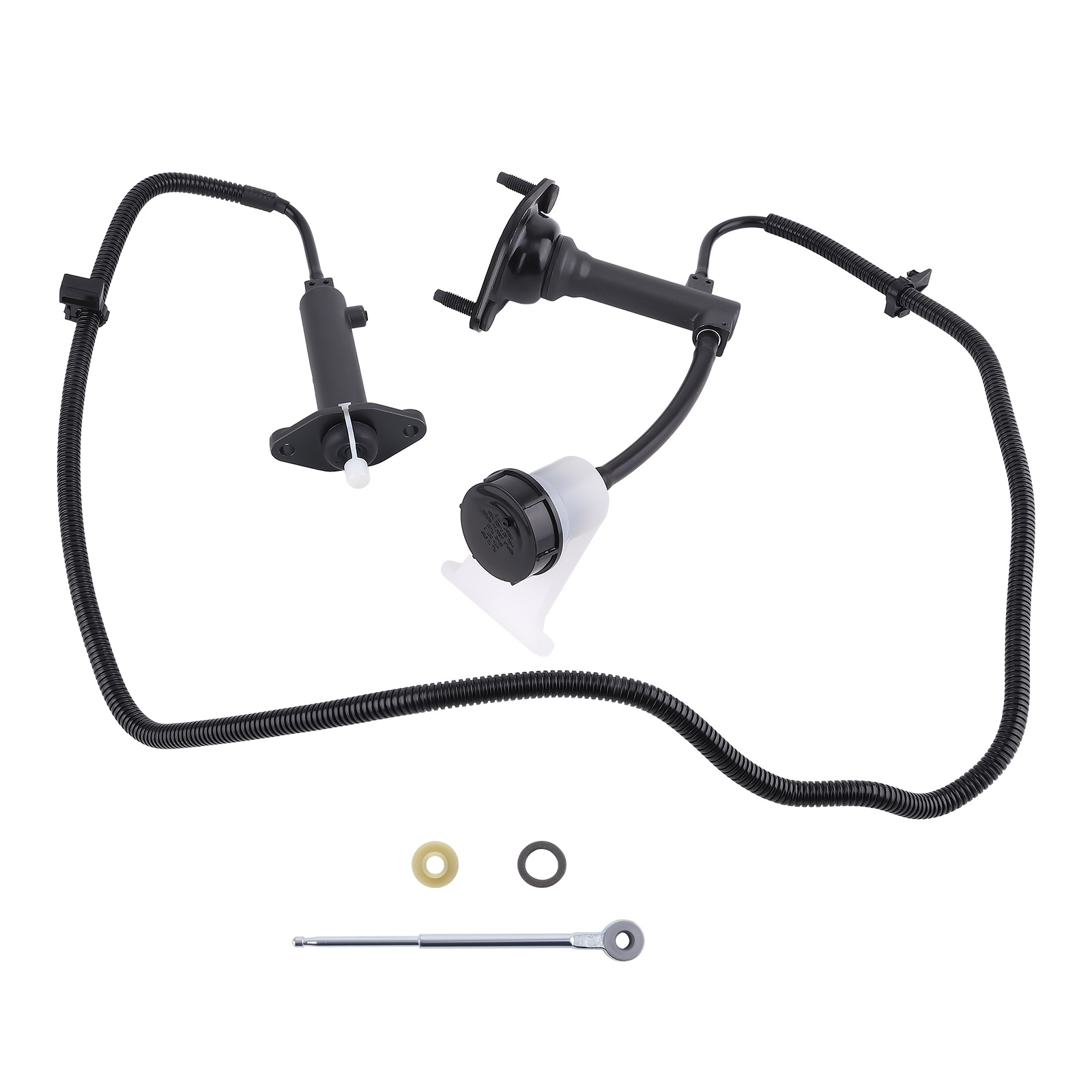

Clutch Master and Slave Cylinder Assembly compatible for Dodge Ram 1500 2500 3500 5.2L 5.9L
1 Offer
Front Wheel Hub Bearing compatible for Chevy GMC Silverado Sierra 1500 compatible for Yukon Tahoe 515096
1 Offer

Spindle Assembly For Ferris IS500Z IS1500Z IS600Z For ZT3500 ZT4000 Contender 1X
1 Offer
Transfer compatible for Case Shift Actuator Motor compatible for Ford F-150 Expedition 1996-2004 600-802
1 Offer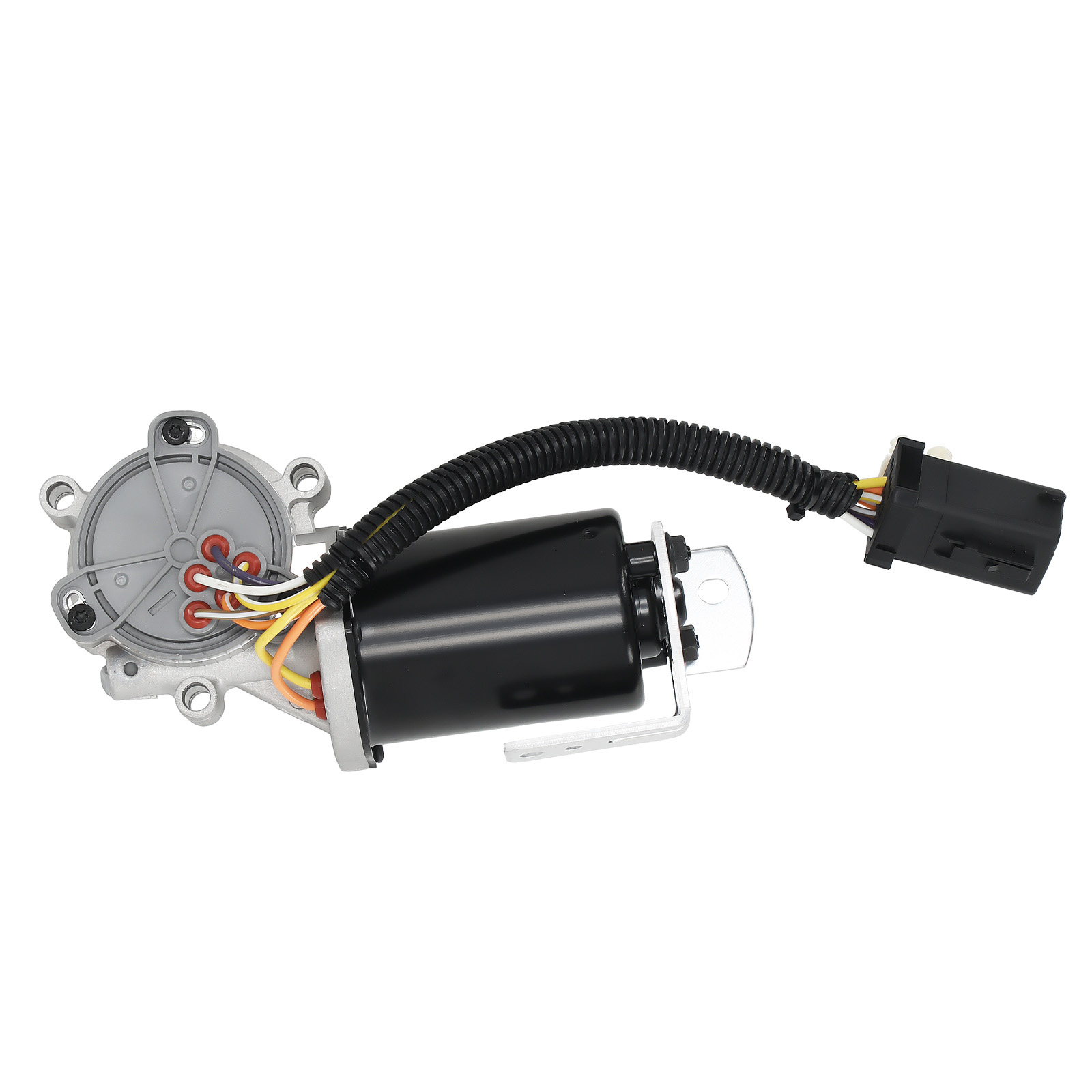


Rear Left /Right Complete CV Joint Axle compatible for Polaris Ranger 1000 Crew 570 1332947
1 Offer
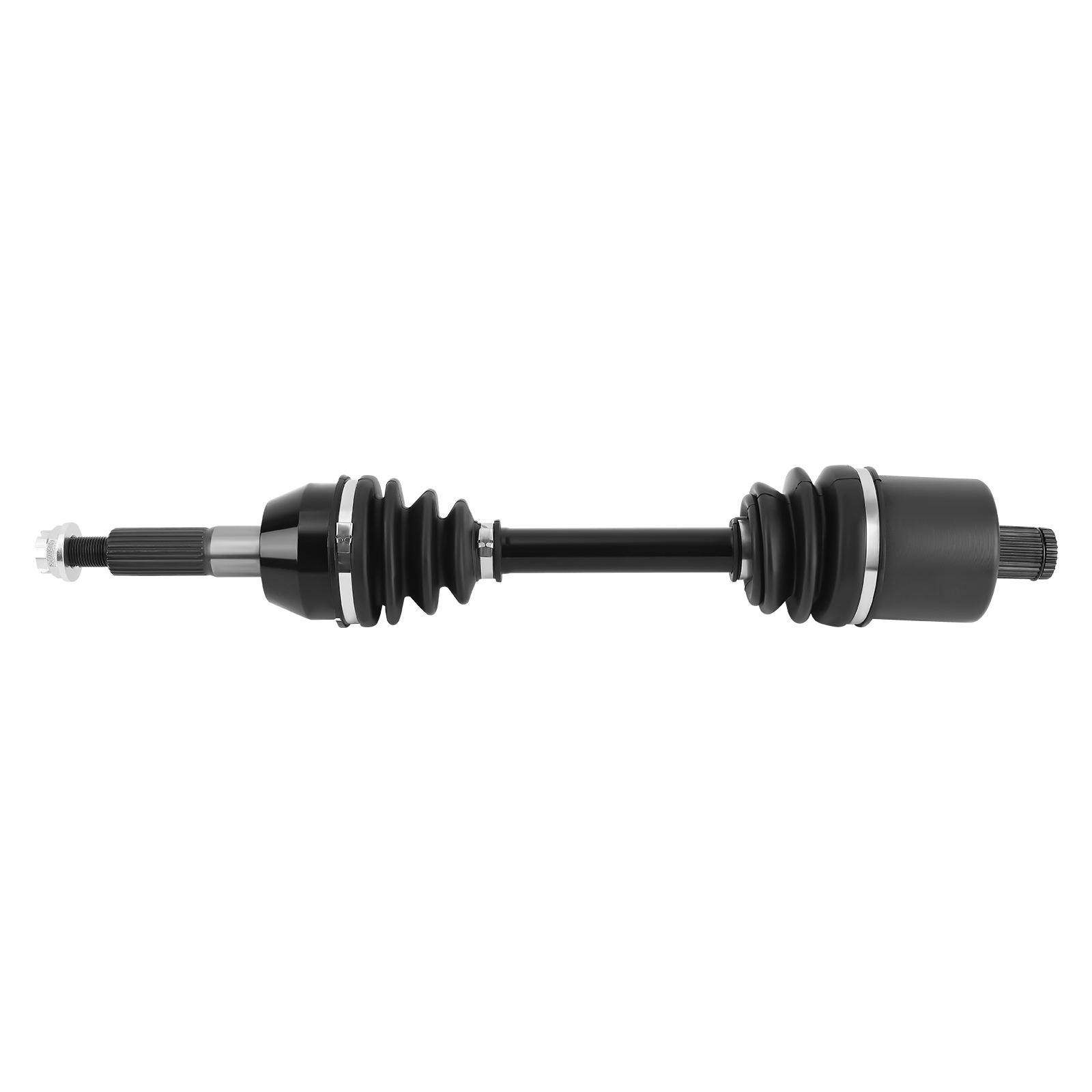
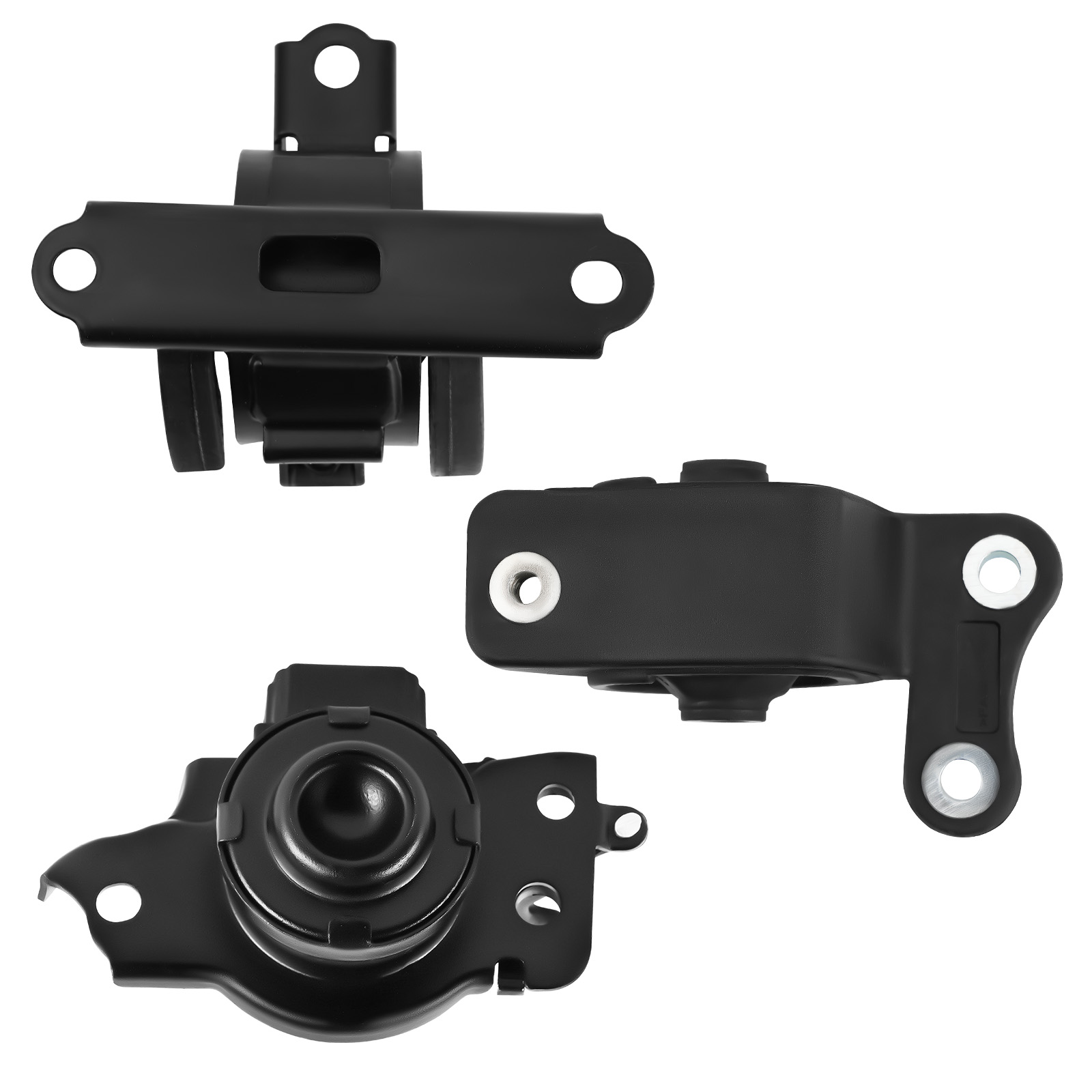

Rear Left or Right CV Joint Axle compatible for Polaris Sportsman 570 2015 2016 2017-2021
1 Offer
Transmission Gearshift Bracket compatible for Dodge Ram 1500 2500 3500 2010-2018 5057506AH
1 Offer

Transmission Shift Solenoid Kit compatible for Honda Civic DX EX LX 1.8L 2006-2011
1 Offer
Compatible for bmw x5 x6 e70 e71 e72 front wheel bearing hub kit abs 31206795959 tcb
1 Offer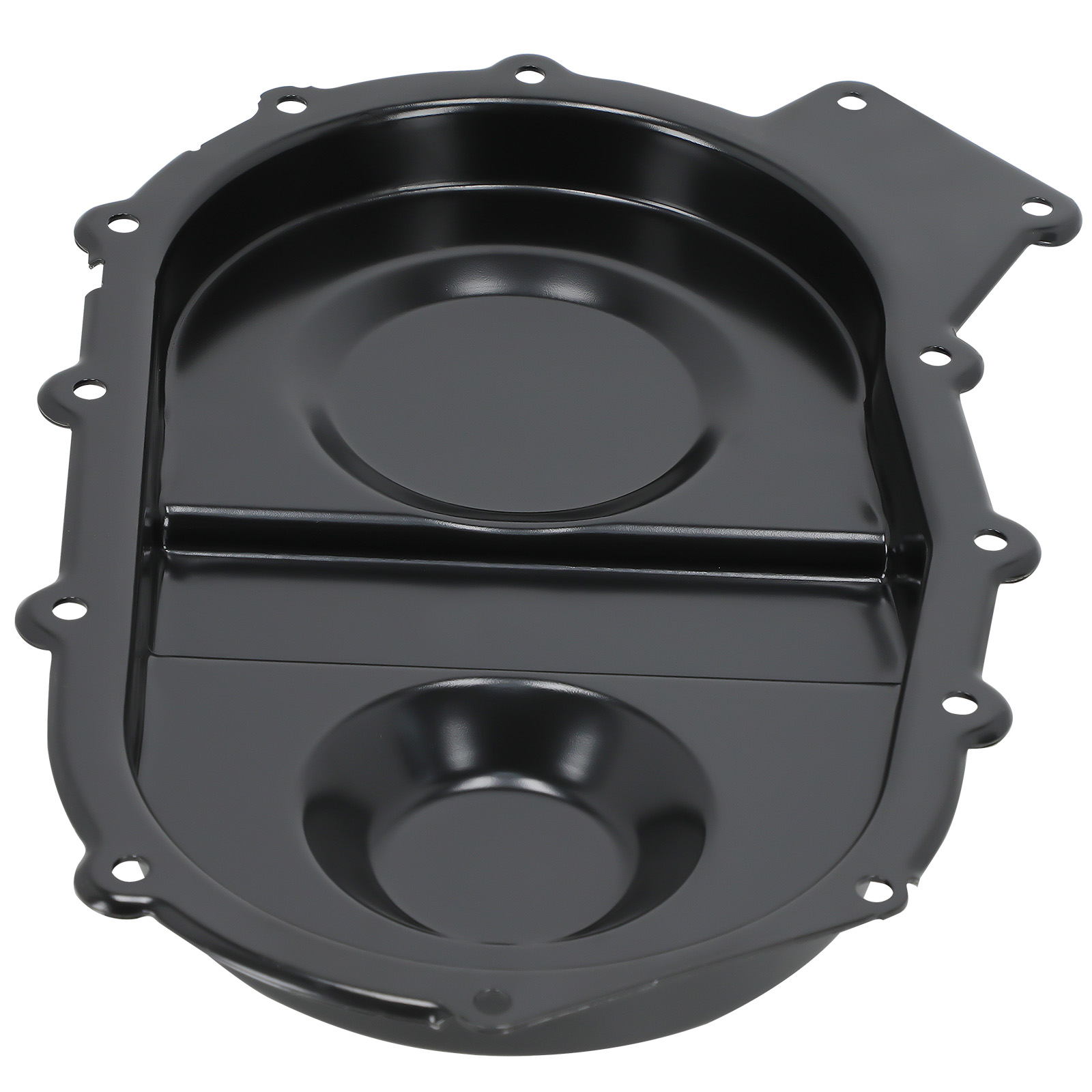
5078570AB Transmission End Cover compatible for Chrysler 200 Pacifica compatible for Dodge Avenger
1 Offer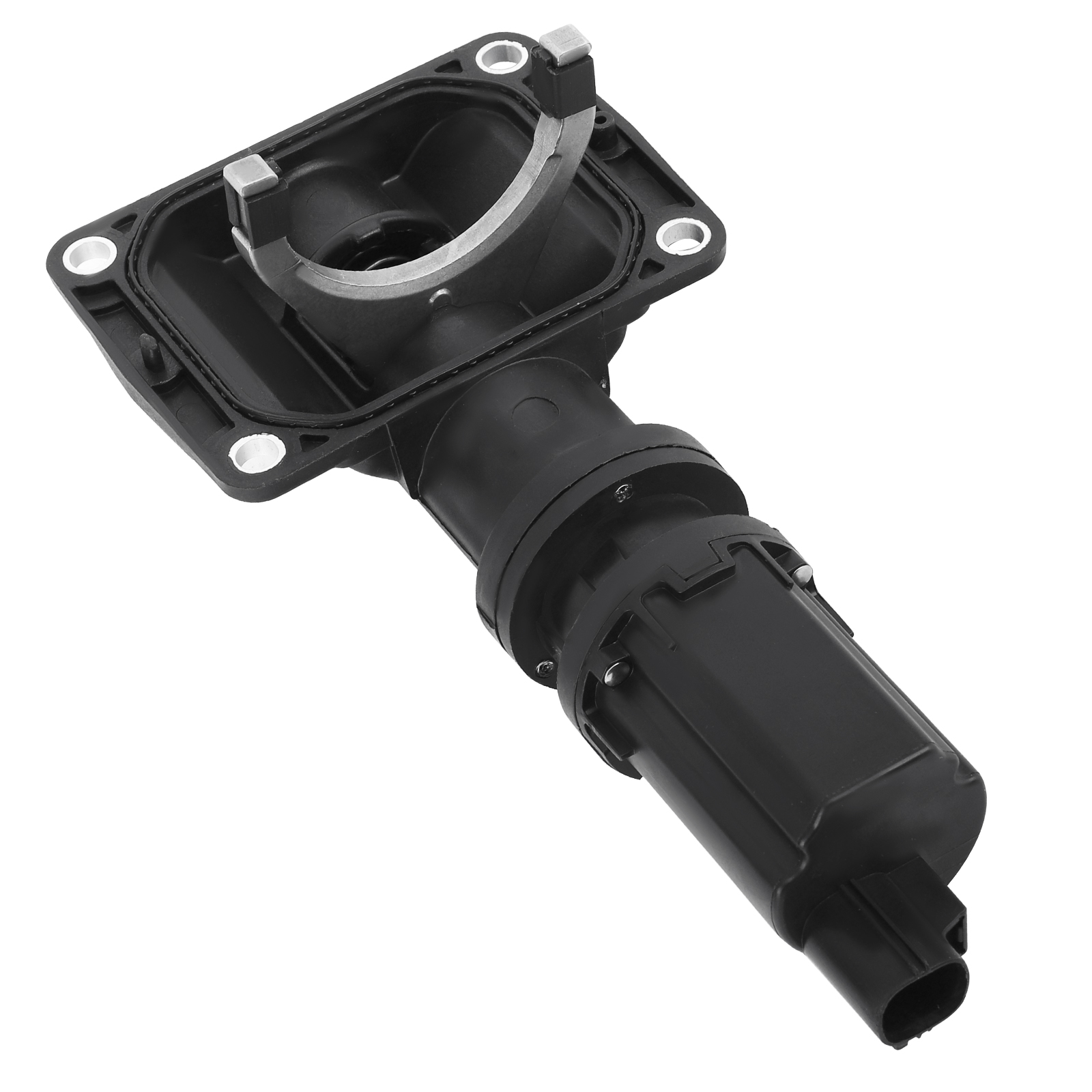


Front Differential 4WD Lock Axle Actuator 600-399 compatible for Dodge Ram 1500 2008-2016
1 OfferDrivetrain: Getting Power to the Ground
Written by the PickupChain team · Last reviewed October 17, 2026
The drivetrain carries power from the transmission to the wheels: transfer case, driveshafts, differentials, axles and hubs. Clunks when shifting into drive, vibration that rises with speed or a whining noise from the axles are typical signs of worn parts.
Bigger tires change the effective gear ratio and make the truck feel slow and shift more often. Re-gearing the differentials to a numerically higher ratio, for example from 3.73 to 4.56, restores performance after a jump to 35 or 37-inch tires.
Lifts change driveshaft angles. Vibration after a lift often points to the driveshaft angle or worn U-joints. Carrier bearing drop kits or longer driveshafts are common fixes.
Frequently Asked Questions
+Do I need to re-gear for 35-inch tires?
Not always, but most trucks with highway gears benefit. Re-gearing improves acceleration, towing and transmission behavior. Use our tire size calculator to see how much larger the new tire is.
+What does a bad wheel hub bearing sound like?
A humming or grinding noise that gets louder with speed and changes when you turn is typical. On many 4x4 trucks the hub is a bolt-in unit that can be replaced as a whole.
+How often should I change differential fluid?
Check your owner's manual. Many trucks call for 30,000 to 60,000 miles, sooner with frequent towing or after deep water crossings.