


Front Rear Disc Brake Caliper compatible for Toyota Avalon compatible for Camry 2007-2011 19B3131 19B3130
1 Offer


SUPERLIFT 1984-1989 Toyota 4Runner 1979-1995 Pickup Bulletproof Brake Hose Front 4 Inch-7 Inch Pair 91450
1 Offer
SUPERLIFT 1982-1983 Jeep CJ5 1982-1986 CJ7 1982-1985 Scrambler Bulletproof Brake Hose Front 4 Inch Pair SL-91415
1 Offer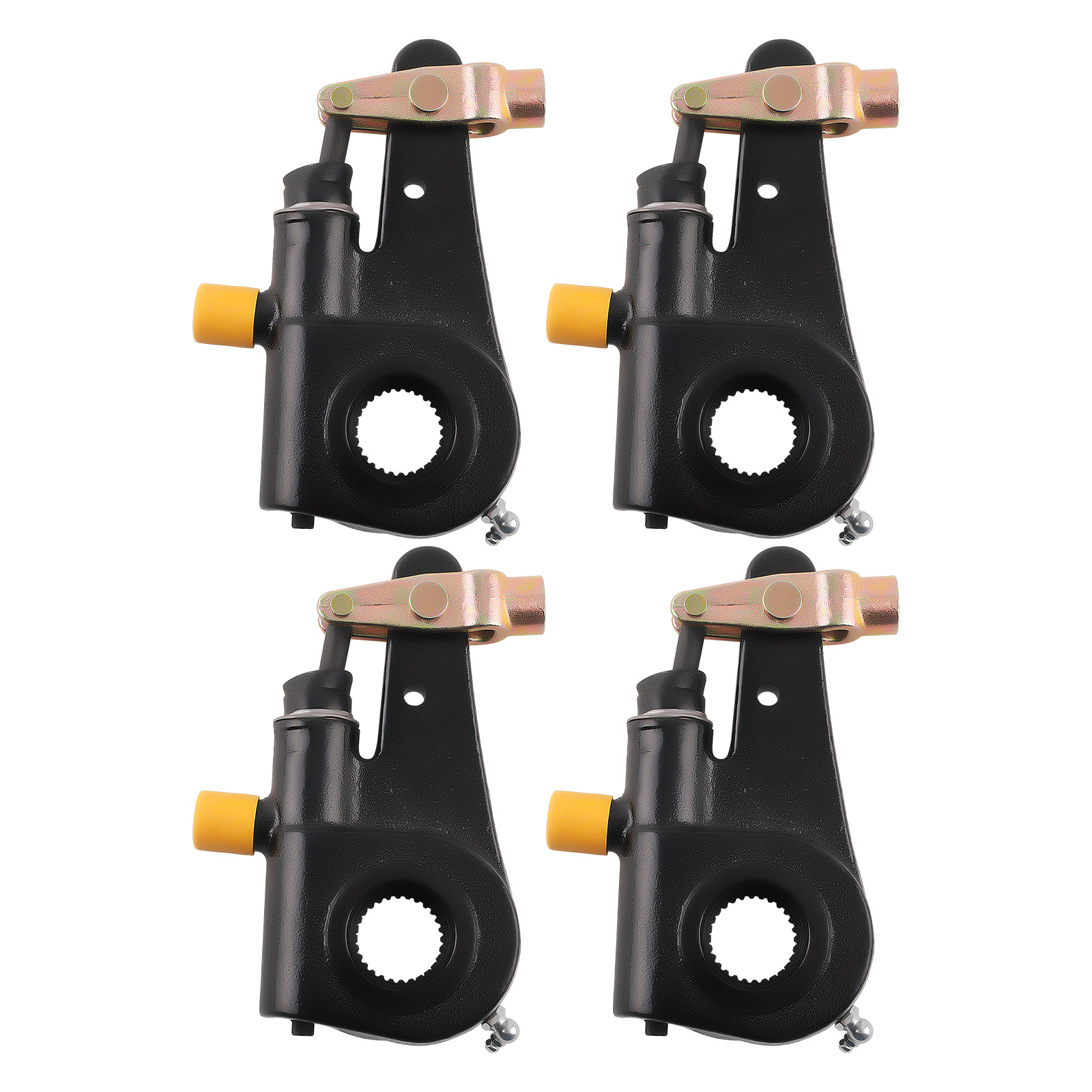

Hydraulic Brake Power Booster compatible for GMC Sierra 2500/3500 HD2015-2019 52-7421
1 Offer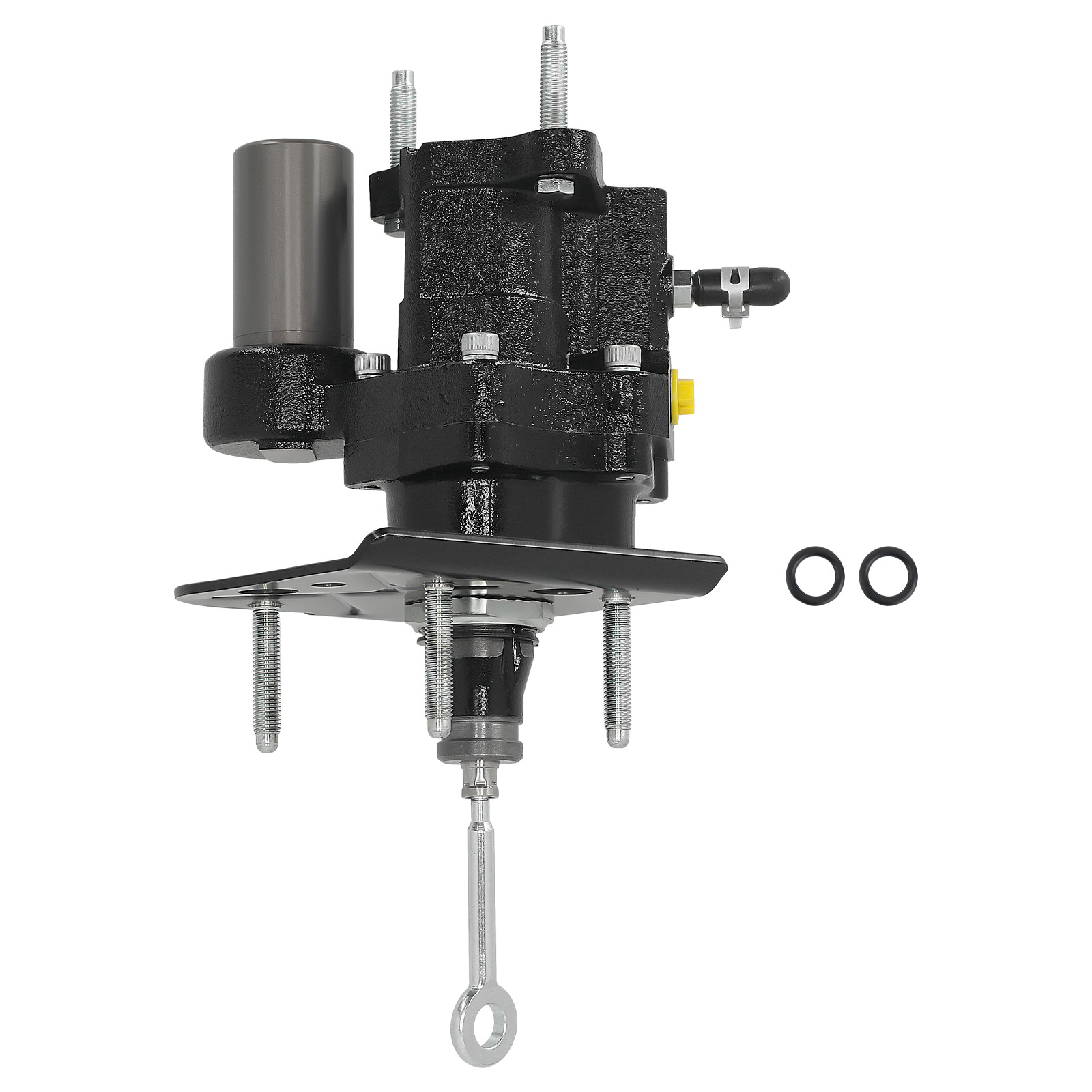
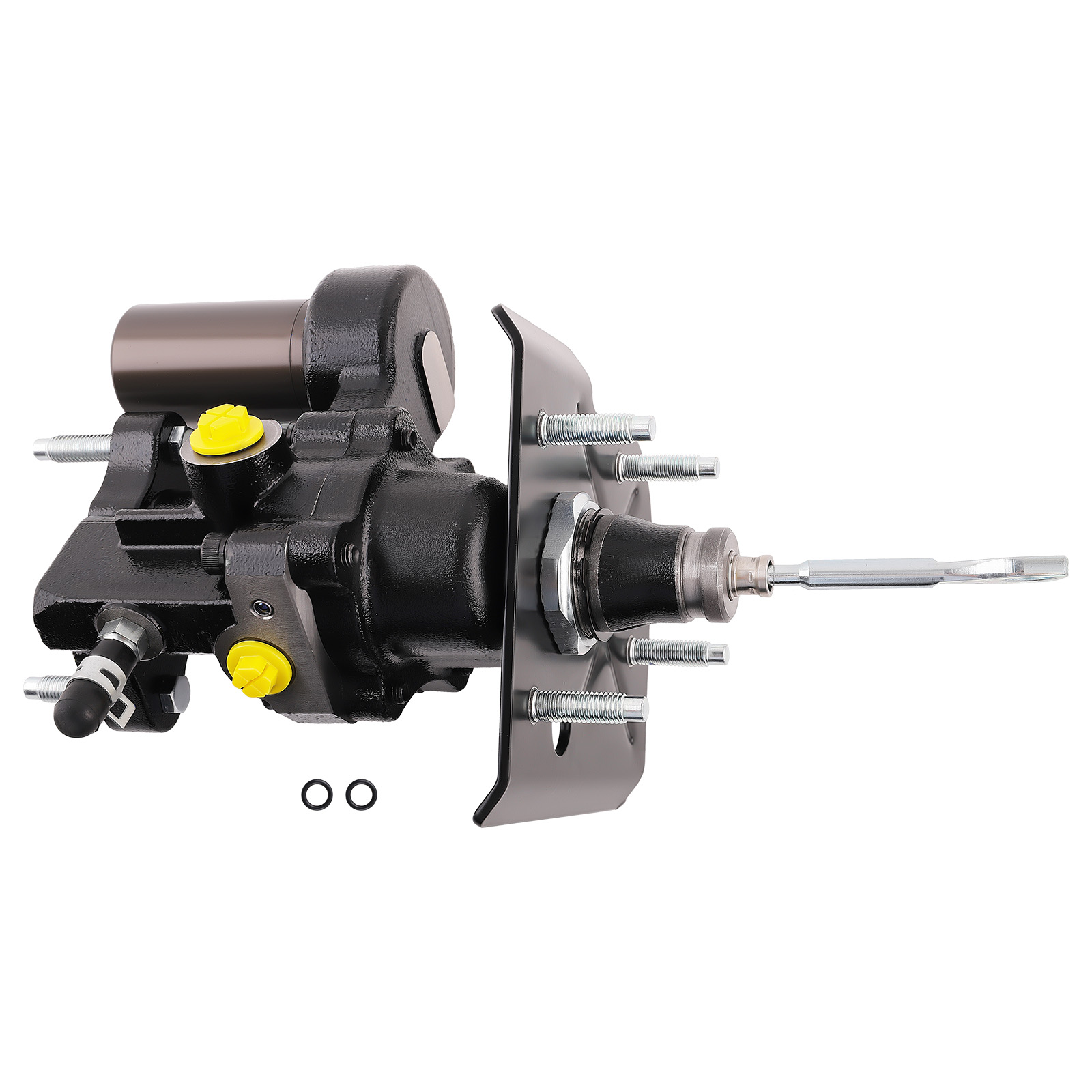

Hydraulic Power Brake Booster compatible for Chevrolet Avalanche 1500 / 2500 2002 52-7359
1 Offer

Hydro-Boost Power Brake Booster compatible for Chevrolet Express 2500 3500 2008-11 52-7405
1 Offer
Hydro-Boost Brake Booster compatible for GMC Savana Compatible for Chevrolet Express 1500/2500 52-7369
1 Offer


Truck Brakes: Pads, Rotors and Complete Kits
Written by the PickupChain team · Last reviewed October 17, 2026
Brake pads and rotors are wear parts, and pickups wear them faster than cars because of their weight, towing and hauling. Replacing pads and rotors together on one axle gives the best pedal feel and avoids vibration from worn rotors.
For daily driving, ceramic pads run clean and quiet. For towing and heavy loads, semi-metallic pads handle heat better. Complete front or rear kits with matched pads and rotors are usually cheaper than buying the parts separately.
Frequently Asked Questions
+How long do brakes last on a pickup truck?
Brake pads on pickups typically last 30,000 to 70,000 miles, depending on driving style, towing and terrain. Squealing, grinding or a pulsating pedal are signs it is time for an inspection.
+How much does it cost to replace brakes on a truck?
If you buy the parts yourself, quality pads and two rotors for one axle typically cost $100 to $400. Shops usually charge $300 to $800 per axle including labor. Compare kit prices above to save on parts.
+Do I need to replace the rotors with the pads?
Not always, but on trucks it is common. Replace rotors that are below minimum thickness, warped or deeply grooved. Many owners swap pads and rotors together to avoid a second job later.
+Which wear faster, front or rear brakes?
Front brakes do most of the stopping and usually wear faster. When you tow often, the rear brakes work harder and can wear sooner than expected.