Guía de compatibilidad
GMC Sierra 1500 Wheel Offset Guide: Flush Fitment Without Rubbing
Actualizado el 13 de octubre de 2026
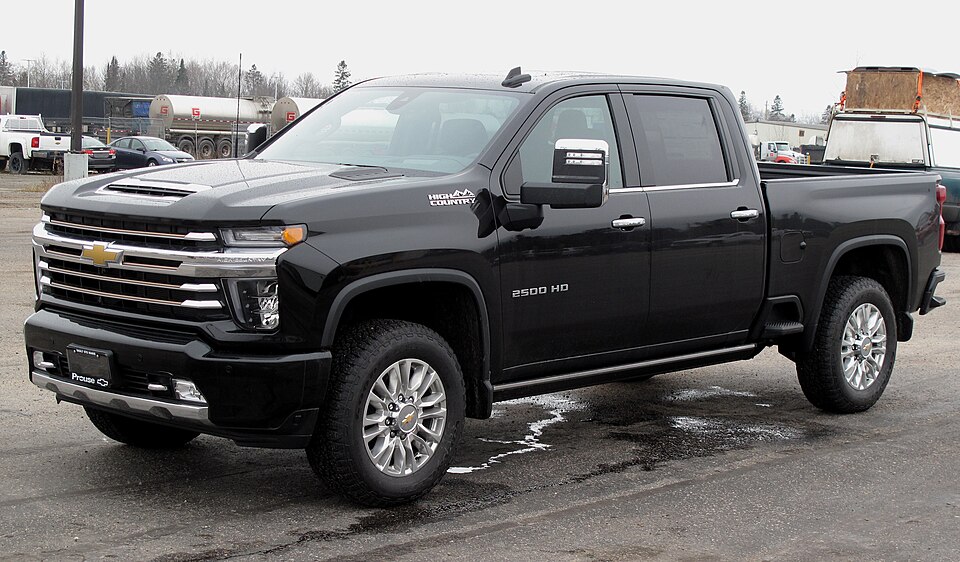
Offset decides where the wheel sits in the fender. On the GMC Sierra 1500, the factory offset is +24 to +28 mm. Lower offsets push the wheel out for a wider stance, but too far causes rubbing and extra stress on bearings.
Offset basics
Offset is the distance in millimeters from the wheel's mounting surface to its centerline. Positive offset tucks the wheel in, zero centers it, and negative offset pushes it out.
Backspacing is the distance from the mounting surface to the inner lip. More backspacing means the wheel sits further inside, closer to suspension parts.
Typical offset choices on the Sierra 1500
These are typical specifications for the listed model years. Always confirm with your owner's manual, the tire placard in the door jamb and the retailer's fitment data before ordering.
| Look | Typical offset range | What to expect |
|---|---|---|
| Stock / tucked | +24 to +28 mm | No rubbing with stock-size tires |
| Near flush | +0 to +18 mm | Wider stance, small trimming possible with bigger tires |
| Poke | -12 to -24 mm | Tires stick out past the fender, more rubbing and road spray |
| Aggressive | -44 mm and lower | Usually needs fender flares and trimming |
Tips for a clean fitment
- Choose width and offset together: a 9 inch wide wheel with the same offset sits further out than an 8 inch wheel.
- Wider stance can require fender flares in some states. Check local laws on tire coverage.
- Lower offsets increase leverage on wheel bearings and can make steering heavier.
- If you plan a lift later, pick an offset that also works with the bigger tires you will run then.
Compra piezas para tu pickup
Elige tu vehículo en cada página para ver piezas compatibles.
Compatible con GMC Sierra 1500 (2019-2021)
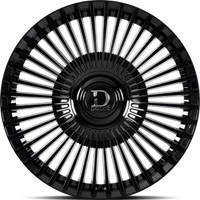
Ver todos → TISTIS Wheel 556SB Black - 22x10 - 6x139.7 Bolt Pattern - 10 Offset Rims578,00 US$
 EGR 2019-2025 GMC Sierra 1500 Baseline Bolt-Style Fender Flares BLF2018304,00 US$
 Thret OffroadThret Offroad Wheel Flood Satin Black Milled - 20x10 - 6x139.7 Bolt Pattern - 0 Offset Rims342,55 US$
 EGREGR 2019-2025 GMC Sierra 1500 Crew Cab Extended Cab Standard Cab Pickup 2 4 Door Set Of 4 Traditional Bolt-On Look Fender Flares 791794404,00 US$
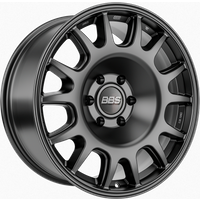 BBS Off-RoadBBS Off-Road Wheel TS-R Satin Black - 17x9 - 6x139.7 Bolt Pattern - -12 Offset Rims399,00 US$
 EGREGR 2019-2025 GMC Sierra 1500 2 & 4 Door Extended Cab Crew Cab Standard Cab Pickup Traditional Bolt-on look Fender Flares set of 4 Painted to Code799,00 US$
 TISTIS Wheel 565C Chrome - 20x9 - 6x139.7 Bolt Pattern - 18 Offset Rims758,00 US$
 EGR 2020-2025 GMC Sierra 2500HD 3500HD Crew Cab Extended Cab Standard Cab Pickup 2 4 Door Set Of 4 Traditional Bolt-On Look Fender Flares 791954404,00 US$
Ofertas actuales para esta categoríaOfertas de socios
Podemos recibir una comisión cuando compras a través de estos enlaces.
Esta guía es información general. La compatibilidad varía según el año, la versión, la tracción y las modificaciones existentes. Confirma siempre la compatibilidad con el fabricante o la tienda antes de comprar y haz instalar las piezas de seguridad por un profesional cualificado.
Más guías
GMC Sierra 1500 Bolt Pattern, Lug Nuts & Wheel Specs (2019-2024)Best Tire Sizes for the GMC Sierra 1500: Stock, Leveled & LiftedGMC Sierra 1500 Leveling Kit vs Lift Kit: Which One Do You Need?GMC Sierra 1500: All-Terrain vs Mud-Terrain Tires Leveling Kit vs. Lift Kit: What’s the Difference?
 Will Bigger Tires Fit My Truck? How to Check Before You Buy
 Wheel Offset and Backspacing Explained
 Bolt Patterns for Popular Pickup Trucks